How Far Will a Female Cat in Heat Travel? Vet-Reviewed Info

Distance Traveled by Female Cats in Heat ♀️
Female cats in heat (queens) generally do not need to travel far. Their mating strategy is passive attraction. They use two primary methods to bring males to them:
- Scent: They spray surfaces with urine containing powerful pheromones to signal their presence and receptivity.
- Sound: They engage in incessant, loud yowling or calling, which carries over long distances.
Despite this, the strong hormonal drive can compel a female cat to bolt if given the chance. Research indicates that indoor-only cats who escape are often recovered within 500 meters (about 0.3 miles) of their homes. However, cats that are accustomed to venturing outdoors may travel further because they are already familiar with a wider territory.
Distance Traveled by Male Cats Seeking a Mate ♂️
Intact male cats (toms) are the ones who typically travel the greatest distances in search of a female in heat. Their biological drive is to maximize their territory and find as many mates as possible, often leading them to roam much further than females.
- A male cat overwhelmed by the hormonal urge may put himself at severe risk, including running into traffic or engaging in fierce, dangerous fights with other males to reach the female first.
- Indoor-only males who escape are at the highest risk. They often lack awareness of outdoor hazards like cars, which can lead to injury, displacement, or death.
Tracking Your Outdoor Cat 📡
If you routinely allow your cat outdoors, the only reliable way to monitor their location and ensure their safety is by using a GPS tracking device. Many affordable, waterproof trackers are available that sync with a smartphone application. Choose a tracker with an unlimited range for the best results.
Understanding the Cat Heat Cycle (Estrus)
Female cats can reach sexual maturity and begin their heat cycle (estrus) as young as 4 to 5 months old. The cycle typically lasts from a few days up to two weeks, with an average duration of about 6 days.
Cats are seasonally polyestrous, meaning their reproductive cycles occur multiple times a year, often influenced by the length of daylight. They generally only enter anestrus (a period of reproductive rest) during the winter in regions with significantly reduced sunlight. However, artificial indoor lighting can override this biological cue, causing many indoor cats to cycle year-round.
Feline Fertility: How Many Litters Per Year?
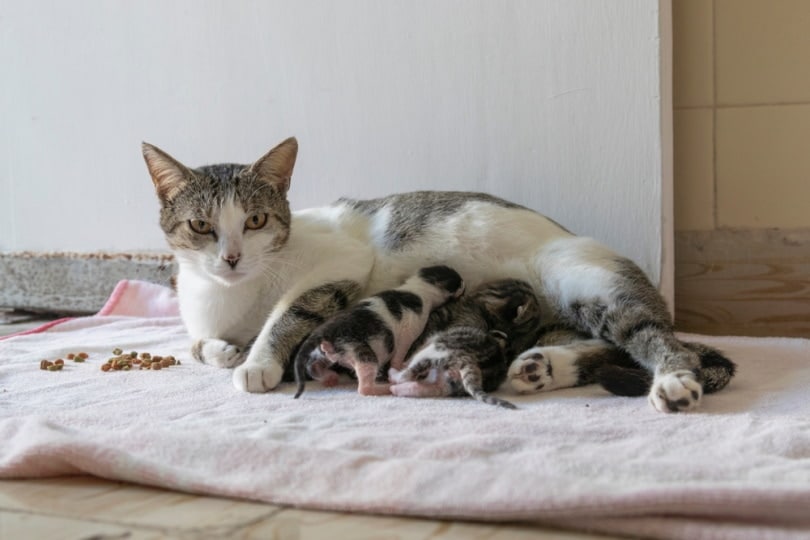
Cats are highly fertile. A single female cat has the potential to produce up to four litters per year, with each litter averaging 4 to 6 kittens. Given their early sexual maturity and ability to breed frequently, a single unspayed female can contribute to dozens of cats in the local population within just 12 months, highlighting the importance of population control.
Spaying: The Only Way to Stop the Heat Cycle
The only certain way to prevent your cat from going into heat and exhibiting the associated behaviors (such as escaping and yowling) is to have her spayed (ovariohysterectomy). Since the reproductive drive and behavioral changes are entirely hormone-driven, home remedies or attempts to "calm" a cat in heat are ineffective.
Benefits of Spaying Your Cat ⚕️
Spaying offers numerous benefits beyond preventing unwanted litters:
- Behavioral Control: Eliminates the urge to wander, yowl incessantly, and spray urine associated with the heat cycle.
- Health Protection: Spaying the cat before her first heat cycle significantly reduces the risk of mammary cancer. This is critical because the majority of mammary tumors in cats are malignant and rarely curable by surgery alone.
- Convenience and Cost: Eliminates the stress and expense of caring for pregnant cats and raising multiple litters of kittens.
Summary
A female cat in heat typically relies on scent and sound to attract males to her immediate location and won't travel far unless she escapes. The distance she travels is generally limited, especially for indoor-only cats (often less than 0.5 miles). However, intact male cats are prone to traveling much greater distances, putting them at high risk of injury.
For your cat's safety, health, and peace of mind, spaying remains the best and most effective solution to prevent the behaviors and health risks associated with the heat cycle. If you haven't already, please discuss scheduling your cat's spay surgery with your veterinarian.
Frequently Asked Questions (FAQ)
At what age can a female cat get pregnant?
Female cats can reach sexual maturity and experience their first heat cycle as early as four or five months of age. Once they enter this cycle, they can become pregnant, even if they still appear to be kittens themselves.
Do male cats also go into a "heat cycle"?
No, male cats do not have a cyclical heat period like females. Instead, intact males are reproductively active year-round. They are attracted to females in heat by pheromones and are perpetually ready to mate, which is why they tend to roam widely.
Will spaying eliminate the problem of excessive yowling?
Yes. Excessive, loud yowling is a hormonal behavior used by female cats in heat to attract males. Spaying removes the reproductive organs, eliminating the hormones that drive the heat cycle and, therefore, stopping the yowling behavior.
Posting Komentar untuk "How Far Will a Female Cat in Heat Travel? Vet-Reviewed Info"