Home Weight Check for Cats: Methods, Benefits, and Healthy Weight Loss Tracking

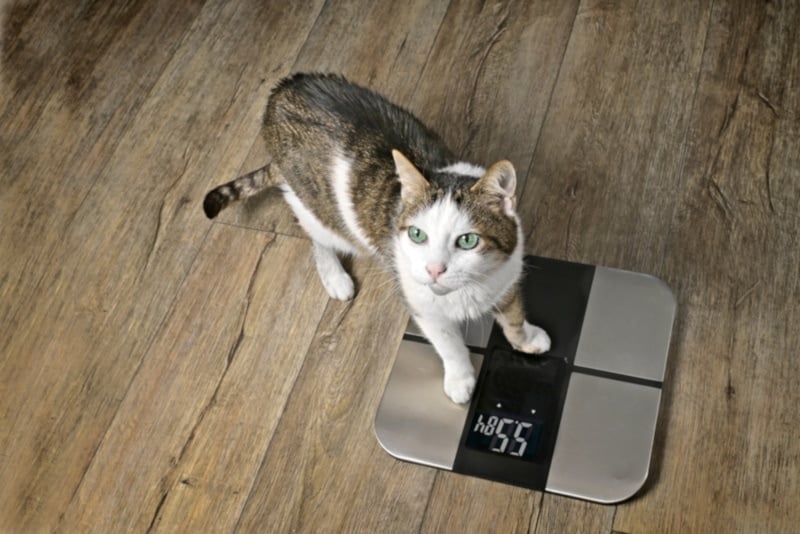
Monitoring your cat's weight is a simple yet crucial part of their health routine. Significant weight loss or gain can be the first indicator of a serious underlying medical condition, such as diabetes or kidney disease. While specialized pet scales are an option, the most common method uses a standard human scale. Here is a step-by-step guide to accurately weighing your cat at home and the essential health benefits of doing so.
Accurate Weighing Methods
Method 1: The Human Scale Subtraction Method (Recommended)
This is the simplest and most common method, assuming your cat is comfortable being picked up and held.
- Measure Your Own Weight: Ensure your scale is on an even surface. Step on and record your weight precisely, paying attention to the tenth of a pound, as a cat's weight is small relative to a human's. Measure once or twice to confirm consistency.
- Measure Combined Weight: Gently pick up and hold your cat. Step onto the scale again and record the combined weight (You + Cat).
- Calculate Cat's Weight: Subtract your body weight (Step 1) from the combined weight (Step 2). The remainder is your cat’s weight.
Example: Your Weight (150.5 lbs) - Combined Weight (157.2 lbs) = Cat's Weight (6.7 lbs).

Image Credit: Andrey_Popov, Shutterstock
Method 2: Using a Carrier and Hanging Scale
If your cat dislikes being held or placed directly on a scale, use their carrier:
- Weigh the Empty Carrier: Use a hanging scale and record the weight of the empty carrier.
- Weigh Combined Carrier and Cat: Place your cat inside the carrier and weigh the combination again.
- Calculate Cat's Weight: Subtract the weight of the empty carrier from the combined weight.
The Importance of Logging and Rewarding
Always record your cat’s weight in a log. Measure your cat's weight at least once a month for general health tracking, or once a week if they are on a weight management plan.
Crucially, reward your cat immediately after the weigh-in with praise and a small amount of their favorite treats (unless contraindicated by a diet plan). This builds a positive association, making future weigh-ins easier.


Benefits of Regular Weight Tracking
Tracking your cat’s weight is one of the most effective ways to monitor their overall health:
- Detecting Illness: Unexplained weight loss can be an early sign of serious underlying medical issues like diabetes, hyperthyroidism, kidney disease, or cancer. Regular weigh-ins help you detect these changes more quickly than relying solely on visual cues.
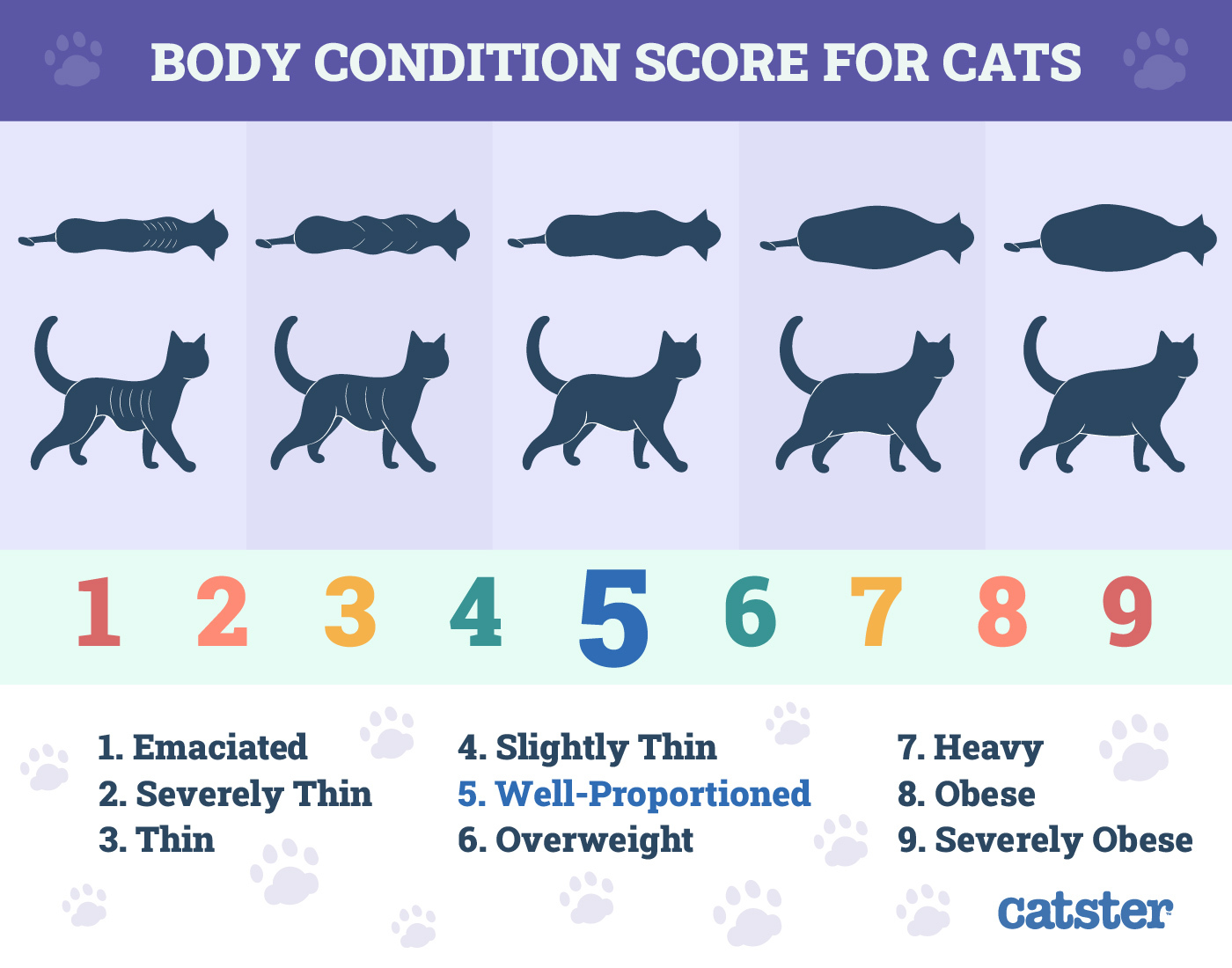
- Managing Weight Loss: Nearly 60% of pet cats are overweight. Obesity significantly lowers a cat's quality of life and increases the risk of serious conditions, including cancer, diabetes, heart disease, and urinary bladder stones.
- Ensuring Safe Weight Loss: If your cat is on a weight loss diet, regular weighing ensures they lose weight at a healthy, gradual pace. Cats should generally lose only 1% to 2% of their body weight per week. Rapid weight loss in an overweight cat can lead to a dangerous liver condition called hepatic lipidosis.
Conclusion
Incorporating regular weigh-ins into your cat's care routine is a simple but powerful tool for preventive healthcare. By choosing a consistent method—whether the human scale subtraction or the carrier method—and logging the results, you can ensure your cat maintains a healthy weight and quickly respond to any patterns of weight loss or gain that might signal a deeper health issue.
Frequently Asked Questions (FAQ)
What is the easiest way to weigh a cat at home?
The easiest method is the "human scale subtraction method." First, weigh yourself alone. Then, weigh yourself while holding your cat. Subtract your weight from the combined weight to find your cat's precise weight.
How often should I weigh my cat?
For general health tracking, it is recommended to weigh your cat at least once a month. If your cat is on a specific weight loss plan, weekly weigh-ins are often advised to monitor progress and ensure safe weight loss.
How fast should an overweight cat lose weight?
Weight loss in cats must be slow and steady to be safe. Cats on a weight loss program should lose between 1% and 2% of their body weight per week. Losing weight too rapidly can lead to a serious liver condition called hepatic lipidosis.
Posting Komentar untuk "Home Weight Check for Cats: Methods, Benefits, and Healthy Weight Loss Tracking"