The Feline Athlete: Understanding How High Your Cat Can Jump (and Why)

Cats are renowned for their extraordinary athletic abilities, often making impressive vertical leaps that defy their size. While some cats may prefer the comfort of a sofa, most possess powerful jumping skills inherited from their wild ancestors. Understanding their jumping range can help you provide a better environment, especially by adding vertical space.
How High Can the Average House Cat Jump?
The average house cat is an incredible jumper. As a general rule of thumb, most domestic cats can jump anywhere from 4 to 6 feet vertically. It is widely believed, though largely anecdotal, that a healthy cat can jump five to six times its own height. For an average-sized cat, this translates to a vertical leap of around 50–70 inches (130–180 centimeters).
- Factors Affecting Jump Height: A cat's maximum jump height depends heavily on its physical condition. Athletic and muscular cats can jump higher than sedentary or overweight cats of the same size.
- An Impressive Comparison: When compared to the world record for the men's high jump (2.45 meters or about 8 feet), a cat's ability to leap so high relative to its tiny stature is truly remarkable.

Cat Jumping World Records
Interestingly, there is currently no official Guinness World Record for the highest vertical jump by a cat. However, there is a recognized record for feline horizontal distance.
- The Guinness World Record for the longest jump by a cat is an astonishing 7 feet (2.13 meters), held by Sputnik the Cat from Italy.
How Do Cats Jump So High?
A cat's impressive jumping ability is a result of evolutionary biology and specialized musculoskeletal features:
The combination of a cat's low body weight and its extremely powerful back legs makes them highly efficient jumpers. Researchers have found that the relatively long length of the back legs, coupled with strong muscles, allows for maximum propulsion.
- The Spring Mechanism: As a cat prepares to leap, it tucks its back legs under its body, creating a powerful spring-like coil.
- The Landing Grip: When landing on a high surface, a cat uses its back legs once again to grip the edge and pull its body up the final bit, demonstrating incredible control and coordination.
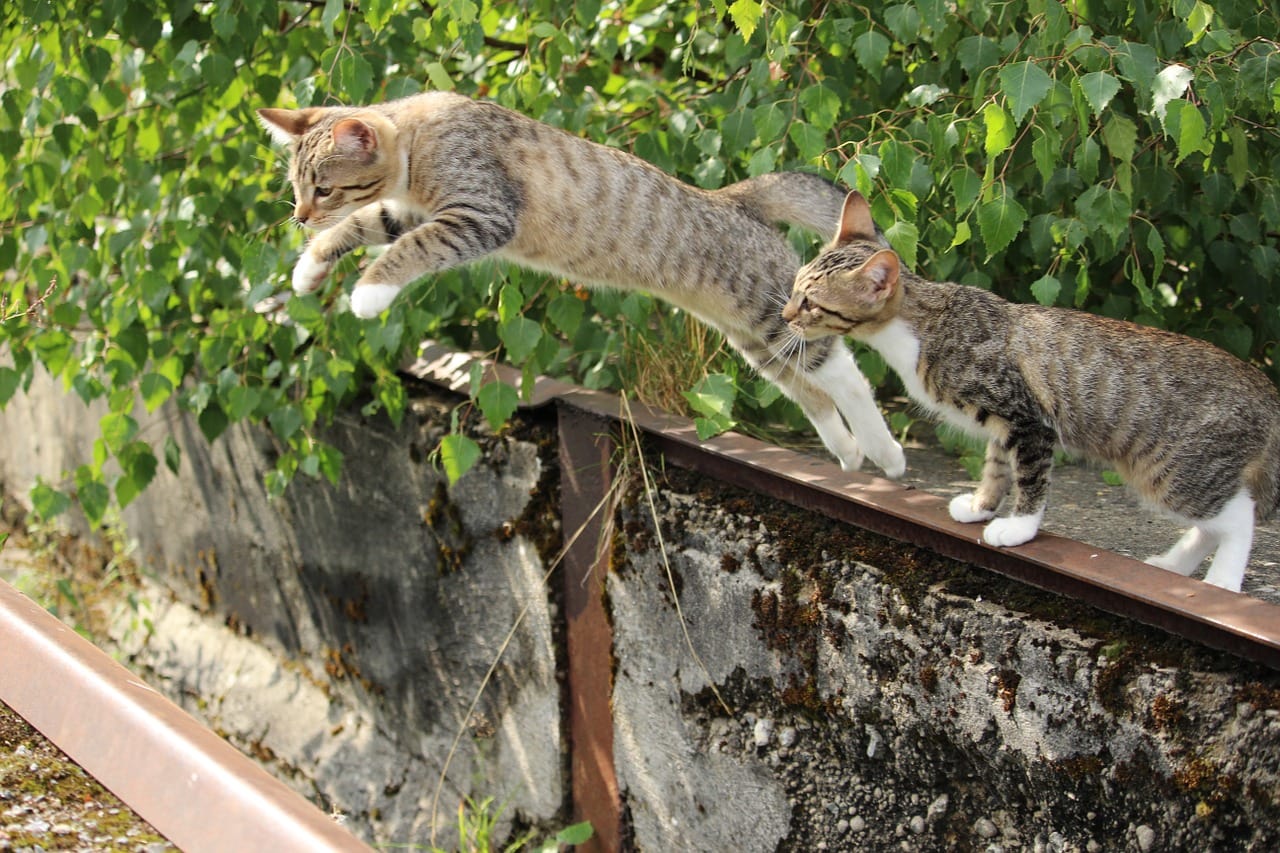
These skills have been refined over thousands of years, meaning your domestic cat retains the same predatory jumping prowess as its ancestors, even if the only thing it's hunting now is a treat on the counter.
Conclusion
To indulge your cat’s natural inclination to jump and climb, incorporate vertical interest into your home. This includes investing in tall cat trees, multi-level scratching posts, and wall-mounted shelves that allow your cat to navigate and observe from various heights. Providing these opportunities satisfies their instincts and contributes to their overall well-being.
Frequently Asked Questions (FAQ)
How high can an average house cat jump vertically?
The average, healthy domestic cat can jump approximately 4 to 6 feet vertically, or about five to six times its own body length, using its powerful hind legs for propulsion.
What anatomical feature allows cats to jump so high?
Cats are able to jump so high due to a combination of their low body weight and extremely powerful, relatively long hind legs. They coil their back legs beneath them to create a spring-like energy release just before launching.
Is there a world record for the highest cat jump?
Currently, there is no official Guinness World Record for the highest vertical jump by a cat. However, there is a record for the longest jump, which is set at 7 feet (2.13 meters).
Posting Komentar untuk "The Feline Athlete: Understanding How High Your Cat Can Jump (and Why)"