Cat Bloat: Understanding a Distended Abdomen, Causes, and When to See a Vet
Noticing that your cat’s belly looks suddenly swollen or larger than normal, a condition often referred to as bloating or abdominal distension, can be alarming. This physical change is not an illness itself but a vague symptom indicating various internal issues, ranging from simple overeating to severe, life-threatening emergencies. This guide explains the possible causes, critical warning signs, and what diagnostic steps to expect at the veterinary clinic.
Recognizing Bloating and Associated Signs
Bloating is defined as the enlargement or expansion of your cat’s abdomen to a size bigger than usual. The clinical term often used by veterinarians is distended abdomen.
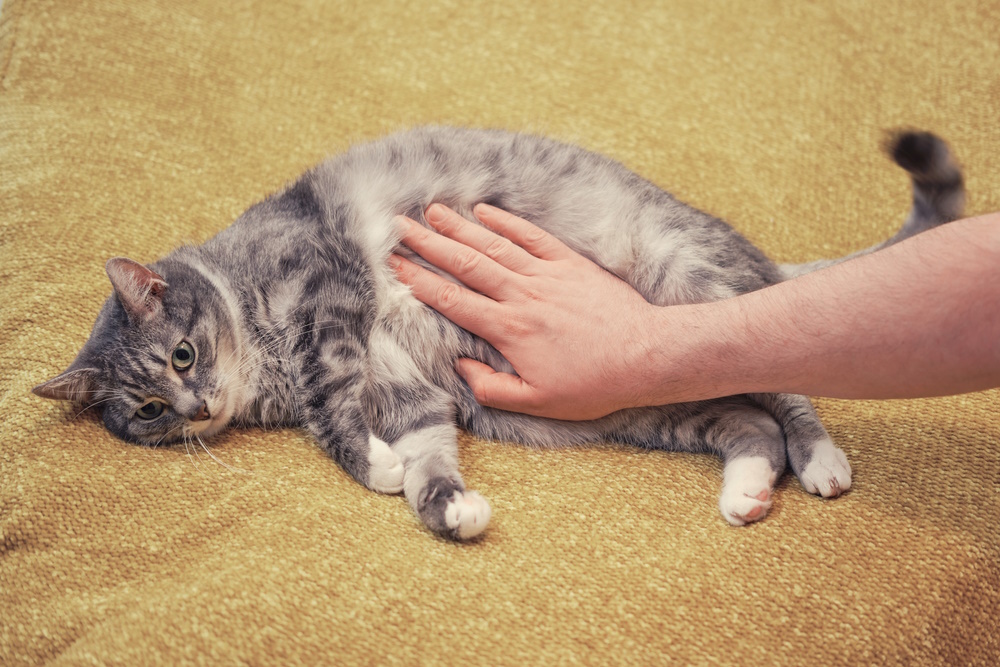
While the physical swelling is the main sign, bloating is often accompanied by other symptoms that help a vet pinpoint the underlying cause. If your cat is bloated, monitor for these accompanying signs:
- Gastrointestinal Issues: Diarrhea or vomiting.
- Systemic Illness: Lethargy, pale gums, fever, or pain.
- Respiratory/Circulatory Issues: Coughing or labored breathing (dyspnea).
- Metabolic Changes: Changes in appetite, thirst, or weight.
- Elimination Problems: Changes in urination (especially inability to urinate) or defecation.
Underlying Causes of a Distended Abdomen
Bloating occurs when the abdomen accumulates material that causes it to swell. This material can be fluid (known as ascites), fat, gas, or enlarged organs/masses.
The severity depends entirely on the cause:
- Benign Causes (Non-Urgent):
- Pregnancy: Enlargement during the two-month gestation period in unspayed female cats.
- Obesity: Excessive fat deposits in the abdominal area.
- Overeating: Temporary enlargement of the stomach after gorging on a large amount of food.
- Gassiness: Excessive gas from mild digestive upset.
- Treatable Illnesses:
- Parasites: Intestinal worms, which can be easily treated with deworming medication.
- Feline Infectious Peritonitis (FIP): A viral cause of fluid accumulation (ascites) in the abdomen, which is now treatable with specific medication.
- Uterine Infection (Pyometra): A rare but serious infection in unspayed females causing an enlarged uterus.
- Serious/Emergency Causes:
- Gastrointestinal Blockage: A non-digestible item gets stuck, causing severe vomiting and potentially intestinal rupture.
- Urinary Blockage: The inability to urinate, causing the bladder to enlarge. This is a life-threatening emergency, especially in male cats.
- Congestive Heart Failure: The heart fails to pump efficiently, leading to fluid accumulation in the lungs or abdomen.
- Cancer: Abdominal masses or tumors that take up space, or malignant cells that leak fluid (ascites).
- Infection/Abscess: Pus accumulation in a contained pocket (abscess) or widespread infection of the abdominal cavity (peritonitis) following a rupture.
Diagnosing and Treating Bloating
A bloated abdomen requires immediate veterinary attention, especially if accompanied by emergency signs like collapse, difficulty breathing, inability to urinate, or pale gums.
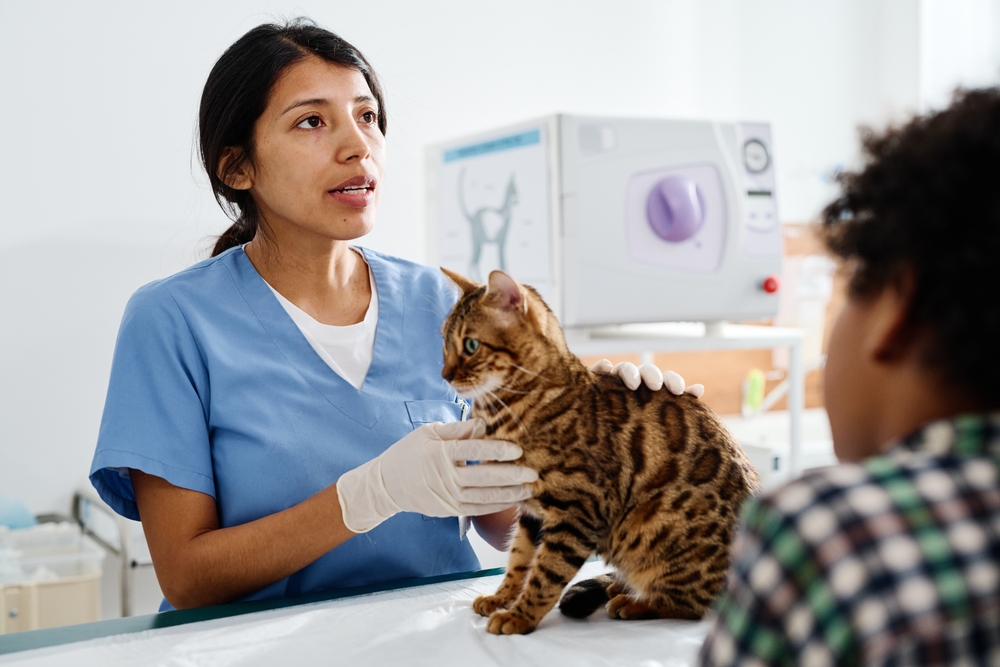
What to Expect at the Vet
The veterinarian will conduct a physical examination, palpate the abdomen, and gather a full history. Based on the preliminary findings, they may order further diagnostic tests to determine the cause, including:
- Laboratory Tests: Blood tests, urine analysis, and fecal tests (to check for parasites).
- Imaging: Ultrasound or X-rays (to visualize organs, fluid, gas, or blockages).
- Advanced Diagnostics: Abdominal fluid sampling and cytology (to analyze fluid, especially important in cases of ascites like FIP), or biopsy (for masses/cancer).
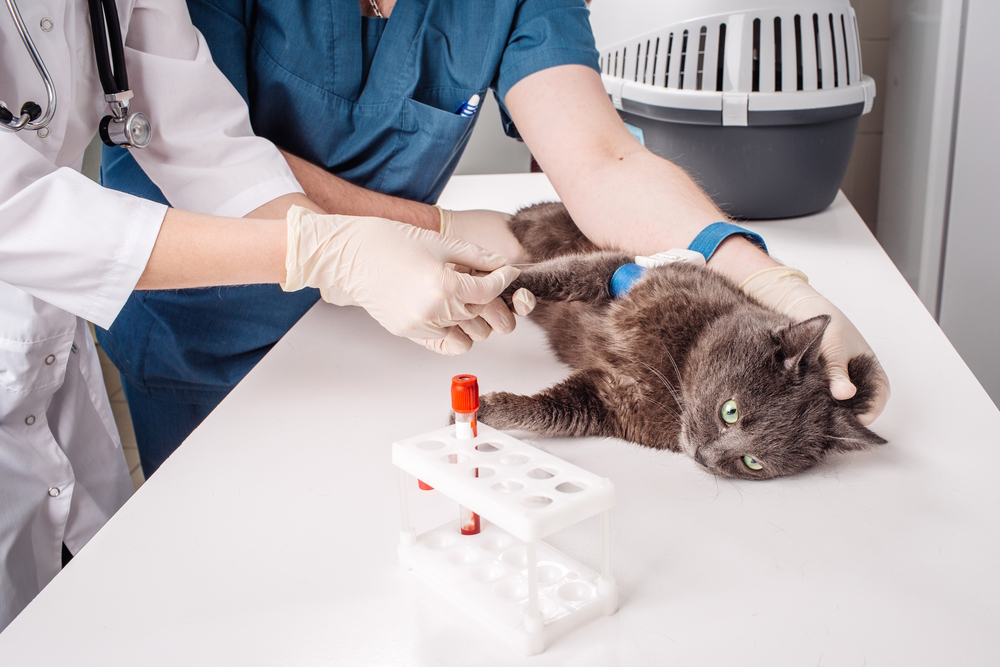
Treatment is tailored to the final diagnosis and may range from simple deworming medication or a diet change for weight loss, to medical management (for heart failure or FIP), or emergency surgery (for blockages or severe infections).
Prevention and Care Tips
While not all causes of bloat are preventable, maintaining excellent general health can mitigate many risk factors:
- Portion Control: Feed a nutritionally balanced diet with portion control to maintain a healthy body condition score. Overweight cats are prone to numerous health issues, including diabetes and joint problems.
- Regular Health Checks: Keep up-to-date with annual (or bi-annual for seniors) veterinary checkups to detect problems early.
- Parasite Prevention: Follow a routine parasite prevention plan (deworming every 3 months for adults) to eliminate the risk of abdominal bloating caused by intestinal worms.
- Spaying/Neutering: This procedure eliminates the risk of unwanted pregnancy and prevents serious conditions like uterine infection (pyometra) and certain reproductive cancers.
Conclusion
A bloated or distended abdomen in a cat is a symptom that must always be taken seriously. Whether the cause is minor (like overeating) or major (like a urinary blockage or heart failure), timely veterinary assessment is crucial for an accurate diagnosis and appropriate treatment. If your cat is experiencing extreme bloating, seek urgent veterinary attention immediately.
Frequently Asked Questions (FAQ)
What does a distended abdomen look like in cats?
A distended abdomen looks like a noticeably swollen belly that is larger than the cat's usual appearance. Depending on the cause, it can feel soft, firm, or, if filled with fluid (ascites), it may feel like a water balloon.
What does a FIP belly feel like?
Feline Infectious Peritonitis (FIP) often leads to a fluid-filled abdomen (wet FIP). This type of bloat feels like a water balloon. A vet may perform a test called a "fluid wave" test, where a gentle tap on one side of the belly creates a discernible wave felt on the opposite side.
Why is my cat’s belly so big?
Your cat’s enlarged belly is caused by a build-up of material, such as excess fat (obesity), kittens (pregnancy), gas, fluid (ascites from FIP or heart failure), or a solid mass (cancer or abscess). Since many causes are serious, you should consult a vet for a proper diagnosis.
Posting Komentar untuk "Cat Bloat: Understanding a Distended Abdomen, Causes, and When to See a Vet"