How to Stop a Cat From Suckling: 6 Vet-Approved Tips for Prevention

While often perceived as a behavior reserved for kittenhood, suckling can persist into a cat's adult life, sometimes causing concern or frustration for owners. This instinctual action is typically linked to early weaning, genetic predisposition, or a need for self-soothing and comfort. Although generally harmless, persistent suckling on non-food items can occasionally lead to the ingestion of fabrics or may signal underlying stress or compulsion. Fortunately, owners can employ several vet-approved strategies, focusing on behavioral modification and environmental enrichment, to gently curb this habit. This guide explores the reasons behind adult cat suckling and outlines practical steps to manage and prevent the behavior.
What Is Cat Suckling?
Cat suckling involves a cat repeatedly drawing on a soft object, such as a blanket, pillow, toy, or even human skin. This action is frequently accompanied by loud purring and rhythmic kneading (often called "making biscuits"). This behavior is a remnant instinct from nursing during kittenhood. Though it may seem unusual in a mature cat, it is essentially a leftover habit and is rarely a cause for alarm on its own.
Why Do Cats Suckle?
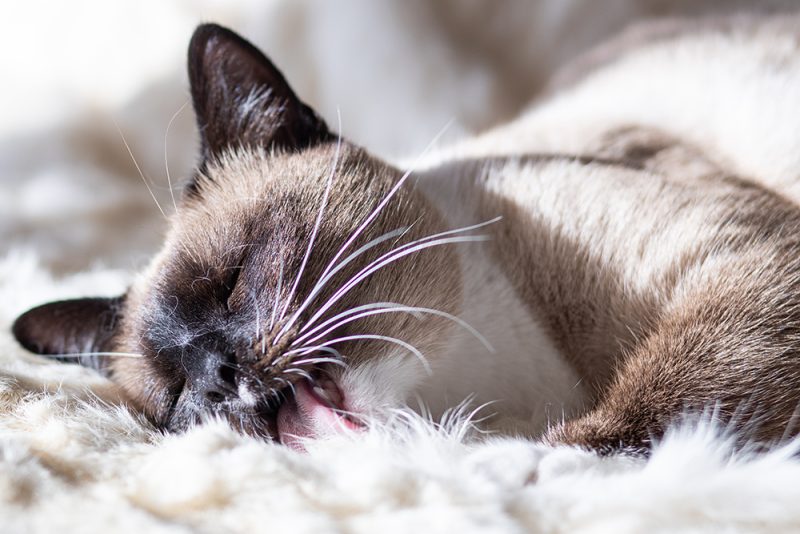
Adult cats continue to suckle for several primary reasons, none of which typically indicate a malicious intent:
Genetics
Certain breeds are genetically predisposed to compulsive suckling. This behavior is notably more common in Oriental breeds, including the:
- Balinese
- Oriental Longhair
- Tonkinese
- Oriental Shorthair
- Javanese
- Siamese
One theory suggests that many Oriental breeds naturally have a longer weaning process than others. When these cats are weaned earlier than they are biologically inclined, the suckling instinct persists throughout their lives as a compulsive behavior.
Weaned Too Early
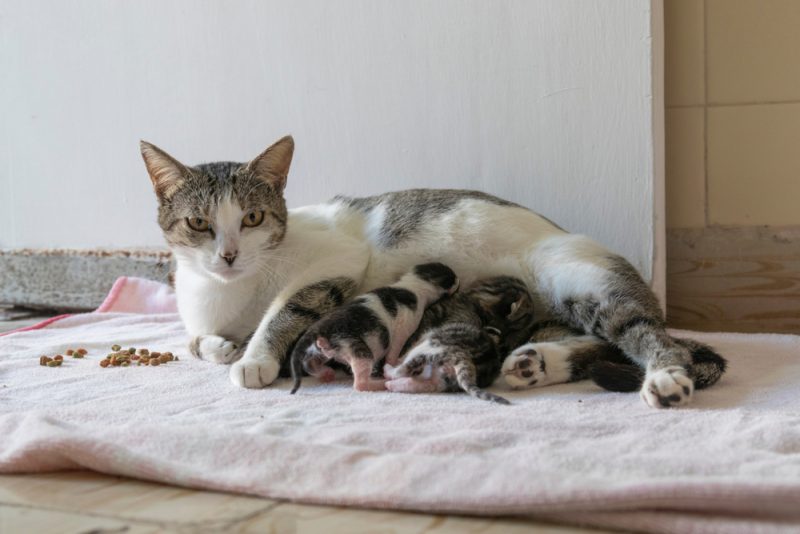
If a kitten is separated from its mother and weaned off milk prematurely—ideally, kittens should be weaned around 8-12 weeks—they may develop inappropriate suckling behavior. The cat seeks a replacement for the comfort and sustenance provided by the mother's milk, and this habit can easily continue into adulthood.
Comfort and Stress
Suckling is intrinsically linked to the bonding and safety felt during nursing. For an adult cat, engaging in suckling is often a self-soothing behavior aimed at seeking comfort. If a cat constantly resorts to this behavior, especially when environmental factors change, it can be a sign of anxiety or chronic stress.
Health Issues
In rare instances, suckling may be connected to an underlying health problem, usually involving dental discomfort or the digestive system. Cats suckling due to pain will typically display other signs of illness, necessitating a visit to the veterinarian. Furthermore, suckling can be categorized as a type of compulsive behavior in felines, similar to obsessive-compulsive disorders in humans. If the cat is relentlessly determined to suckle regardless of interventions, professional veterinary consultation is essential.
The 6 Tips to Stop a Cat From Suckling
To effectively prevent or stop suckling, first identify the underlying cause (stress, early weaning, or compulsion). Once the cause is understood, these six strategies can be employed:
1. Offer your cat a replacement.
If your cat habitually suckles on a specific item (e.g., a wool blanket or particular toy), provide a suitable alternative. This replacement should be less appealing for suckling but still offer comfort. For instance, redirect their attention to a plush, designated cat toy that is designed for cuddling rather than ingestion.
2. Always use positive reinforcement.
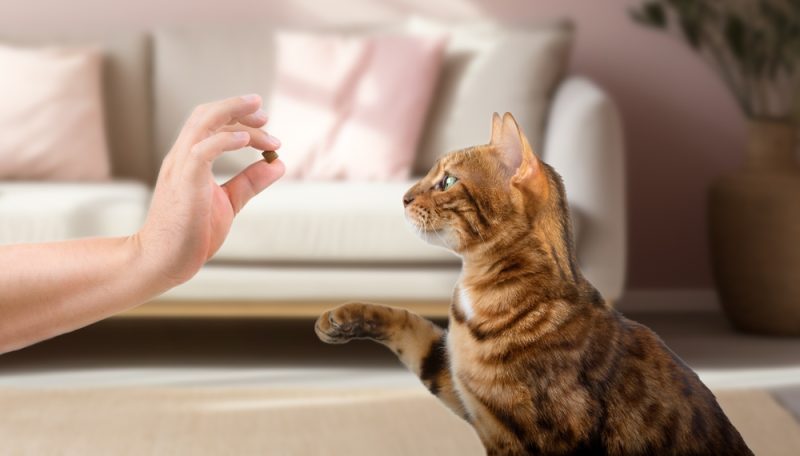
When you observe your cat engaged in appropriate, non-suckling behavior, immediately reinforce it with positive praise, petting, or a favorite treat. Acknowledging and rewarding the desired behavior is crucial for breaking the habit.
3. Make sure your pet has enough resources.
In multi-cat households, resource scarcity can increase stress. Ensure your cat has adequate access to food, water, toys, resting spots, and, critically, litter boxes. The standard rule of thumb is one litter box per cat, plus one extra. Competition over these essentials can be a major stressor leading to self-soothing behaviors like suckling.
4. Lower stress levels.
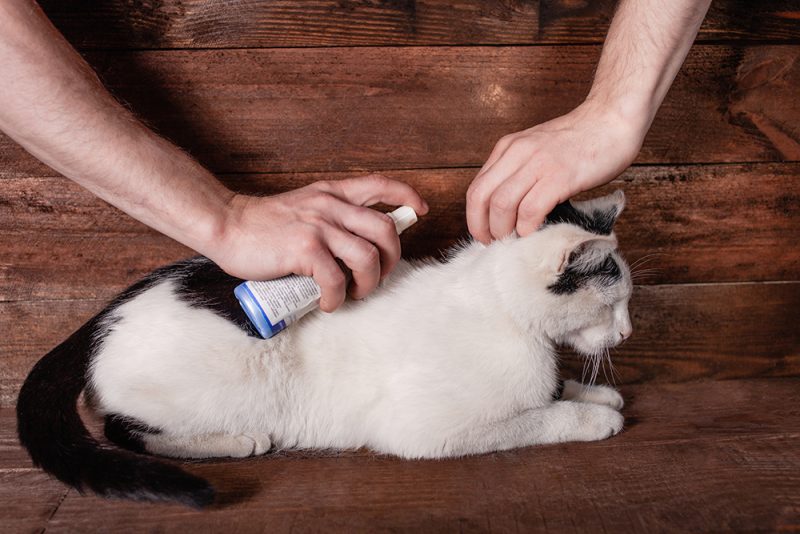
If stress is the root cause, identify and remove the stressor if possible (e.g., a noisy environment, a new pet). If the stressor cannot be removed, consider using calming aids, such as synthetic pheromone sprays or diffusers, which mimic natural feline appeasing hormones to help promote a sense of security and relaxation.
5. Provide plenty of mental stimulation.
Boredom can quickly lead to undesirable or compulsive behaviors. Ensure your cat's environment is enriched with features like cat trees, scratching posts, and puzzle toys. Engage in regular, interactive play sessions throughout the day. This not only keeps them mentally stimulated but also serves as an effective way to redirect their attention away from objects they might otherwise suckle.
6. Visit a vet.
If behavioral changes and environmental modifications fail to resolve the issue, consult a veterinarian. They can rule out any hidden dental or gastrointestinal health issues. If the behavior is confirmed to be a true compulsive disorder, the vet may recommend working with a certified feline behaviorist or discussing medication options to manage the compulsion.
Final Thoughts
Though cat suckling is more commonly associated with kittens, its presence in adult felines is not necessarily a cause for alarm. By first identifying the underlying reason—be it genetics, early weaning, or stress—you can effectively implement the six vet-approved strategies to manage or stop the behavior, leading to a happier, healthier pet.
Frequently Asked Questions (FAQ)
Is it harmful if my cat suckles on my clothes?
While the suckling itself is generally harmless, the danger lies in the potential for the cat to ingest fabric fibers, especially from wool or synthetic materials. Ingested fibers can lead to gastrointestinal issues, including foreign body obstructions, which require veterinary attention. If your cat is ingesting material, intervention is necessary.
At what age should a kitten stop suckling completely?
Kittens are typically weaned from their mother's milk around 8 to 12 weeks of age. Suckling behavior on comfort objects often fades shortly thereafter. If a cat is suckling past 6 months of age, it may be categorized as an adult behavior, often linked to early weaning or genetics.
Does suckling in cats mean they were taken from their mother too early?
Early weaning (before 8 weeks) is a major contributing factor to adult suckling. When kittens are denied the full nursing period, the strong instinct to suckle may become fixed. However, genetics (especially in Oriental breeds) and stress can also be primary causes, even if the kitten was weaned at an appropriate age.
Posting Komentar untuk "How to Stop a Cat From Suckling: 6 Vet-Approved Tips for Prevention"